
Blueprint
-
Lifestyle Edge: Simplicity, Less Stress, and Focusing on Goals
Index investing isn’t just about low costs and long-term returns—it’s also about creating a simpler, less stressful approach to growing your wealth. In a world overloaded with financial news, market noise, and endless investment choices, the simplicity of index funds offers something truly valuable: peace of mind. Why Simplicity Matters in Investing Active investing demands…
-
How to Stop Letting Emotions Destroy Your Investments
When it comes to building wealth, intelligence and strategy matter—but they’re not enough. Successful investing often comes down to emotional discipline. Many of the biggest threats to your financial future aren’t market crashes, recessions, or inflation—they’re your own instincts: fear, greed, impatience, and overconfidence. This is where index investing offers not just a cost advantage,…
-
Why Active Investing Costs More Than You Think
When people think about the costs of active investing, they usually focus on management fees and transaction costs. While those are important, they’re only the tip of the iceberg. The real costs often remain hidden—buried in your time, mental energy, emotional stress, taxes, and behavioral mistakes. Active investing can be compared to carrying a heavy…
-
The Diversification Advantage: How Index Funds Protect Your Wealth
One of the greatest strengths of index investing—and one of the least appreciated—is the automatic diversification it provides.Diversification means spreading your investments across many assets, sectors, and regions so you’re not overly exposed to any single risk. In plain English: it’s the financial equivalent of not putting all your eggs in one basket. When you…
-
The 40-Year Truth About Index Investing: What the Data Says
When evaluating an investment strategy, long-term performance history is one of the most powerful indicators of reliability. While past results never guarantee future returns, decades of market data show that index investing has consistently outperformed most active strategies, delivering steady growth with lower costs and fewer decisions. S&P 500: A Century of Wealth Building The…
-
Why Choose Index Investing? The Data-Backed Case for Passive Wealth Building
For decades, investors have been captivated by the idea of beating the market — picking winning stocks, timing market swings, and finding undervalued gems before everyone else. The financial industry fuels this dream, with analysts, traders, and fund managers dedicating their careers to outperforming benchmarks like the S&P 500. The reality? The overwhelming majority of…
-
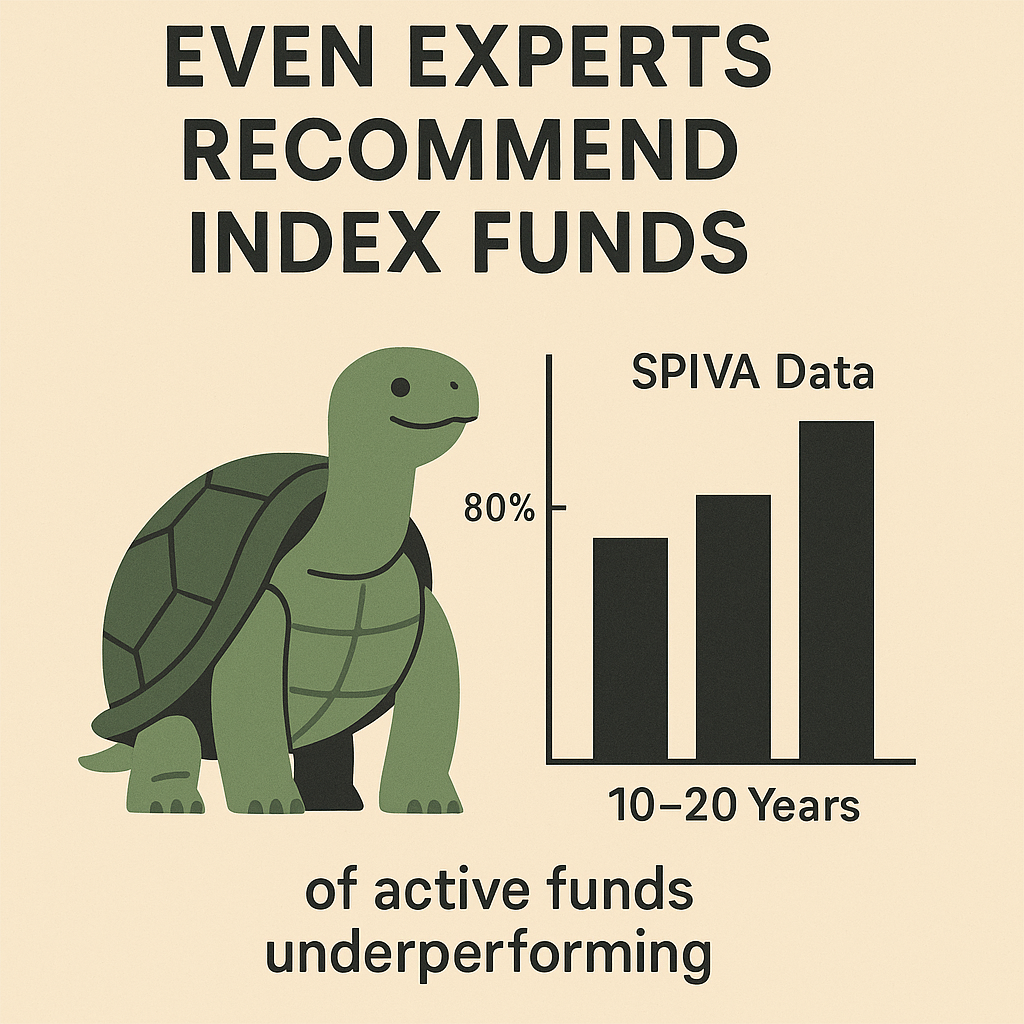
The Truth About Index Funds: 6 Myths Debunked
Index investing has become one of the most popular ways to build long-term wealth. Backed by decades of research, it’s simple, low-cost, and highly effective. Yet, many investors still avoid it — not because it doesn’t work, but because of persistent myths. Let’s bust the most common index investing misconceptions and explain what the data…
-
Index Funds 101: How They Operate, What They Invest In and Why they are Popular
Understanding how index funds operate is crucial for any investor considering a passive investing strategy. While the philosophy is simple—track market performance instead of trying to beat it—there are key mechanics and structures within index funds that every investor should know. This guide explains how index funds work, what they invest in, and why they’ve…
-
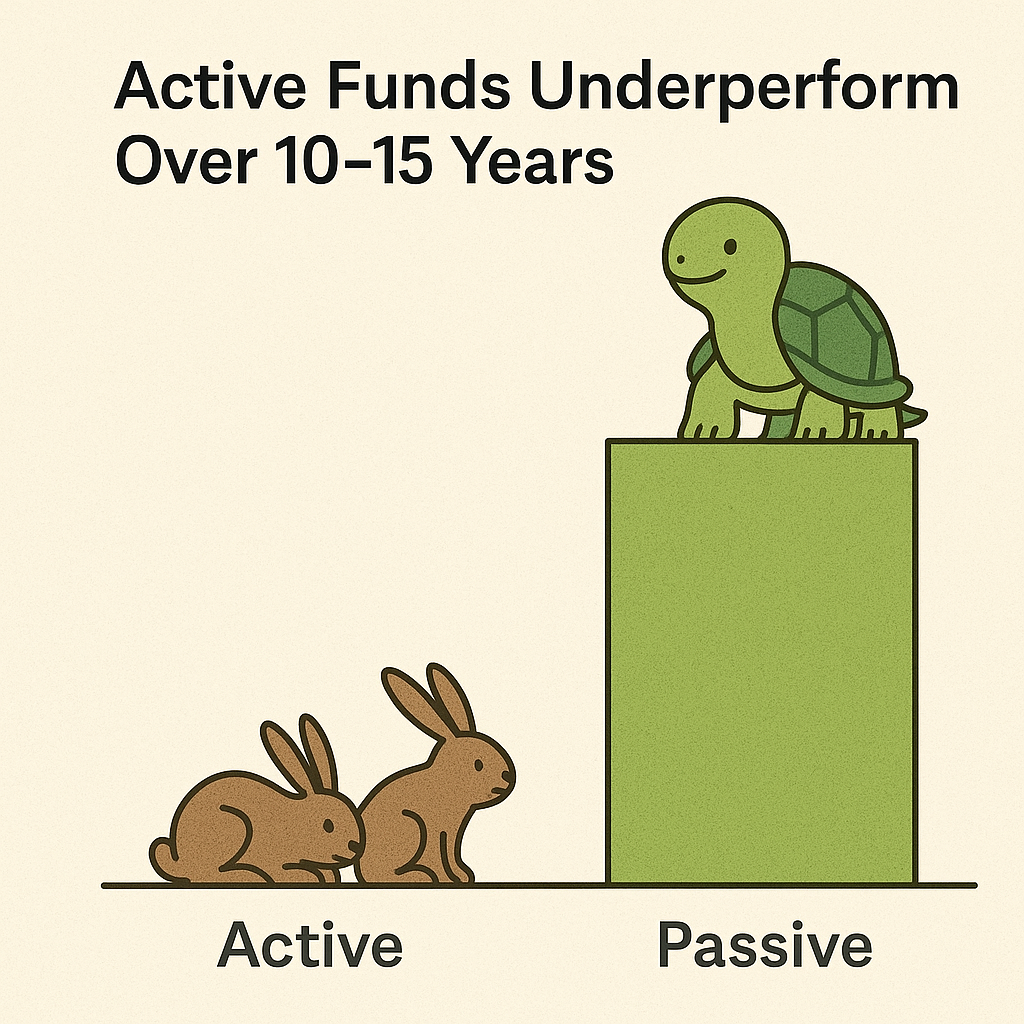
Why 90% of Investors Lose in the Stock Market
When it comes to growing wealth, two of the most common investment strategies are index investing and active investing. Both aim for long-term returns — but their methods couldn’t be more different. Index investing is simple, cost-effective, and backed by decades of data. Active investing focuses on selecting individual stocks or assets in the hope…
-
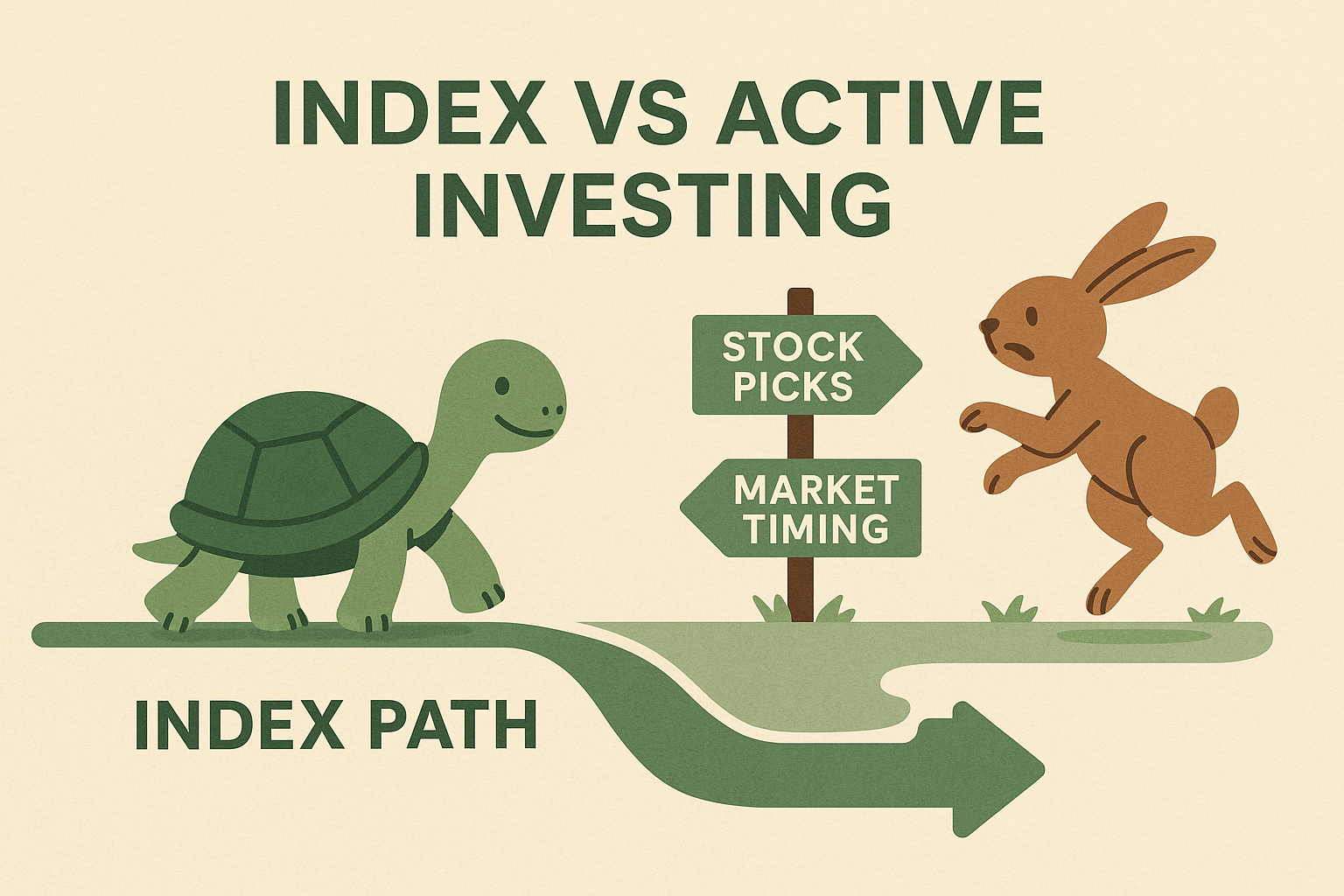
Inside the S&P 500, MSCI World, and FTSE All-World: What They Track and How to Invest
If you’re investing in index funds or index ETFs, understanding the benchmark indexes they track is essential. While there are thousands of indexes worldwide, a few stand out as global standards. Here’s how popular indexes like the S&P 500, MSCI World, FTSE All-World, and Straits Times Index (STI) are constructed, what they measure, and why…